At some point, many carnivore dieters wonder what happens if they eat a banana. Maybe you’re done with your 30-day experiment. Maybe you did a long elimination stretch and want to see what you can tolerate. Maybe you just miss berries.
Whatever the reason, there’s a wrong way to do this. It involves a Saturday, a buffet, and an “I’ll just have a little of everything” attitude. Your gut will file a formal complaint.
Here’s a calmer way to bring foods back, and to find out how each one actually treats you.
Decide What You’re Actually Doing
“Reintroducing foods” can mean two different things, and the plan changes depending on which you mean.
Option one: leaving carnivore for good. You want a broader, more flexible way of eating, and you’re happy to build it slowly.
Option two: a structured test. You’ve been strict for a while, and you want to learn which foods you can add back without trouble. Many people then keep a meat-centered diet with a few extras.
Neither is cheating, and neither is failure. Choose your goal first, because it tells you how patient to be. If you’re running a test, go slowly and take notes. If you’re simply ending the diet, you can move a bit faster, but the one-at-a-time rule below still helps.
If you have a medical condition or take medication, check with your doctor or a registered dietitian before big changes. That goes double if you started carnivore for a health reason.
Go One Food at a Time
This is the whole trick, and it’s boring, which is how you know it works.
Add a single food. Eat a modest portion. Then give it a few days before introducing anything else. If you add rice, an apple, and a slice of sourdough on the same day and feel off, you’ve learned nothing except that you made a mess of your own experiment.
A simple routine looks like this:
- Pick one food. Choose something you actually want, not something you think you “should” eat.
- Start small. A few bites to a modest serving, not a family-size portion.
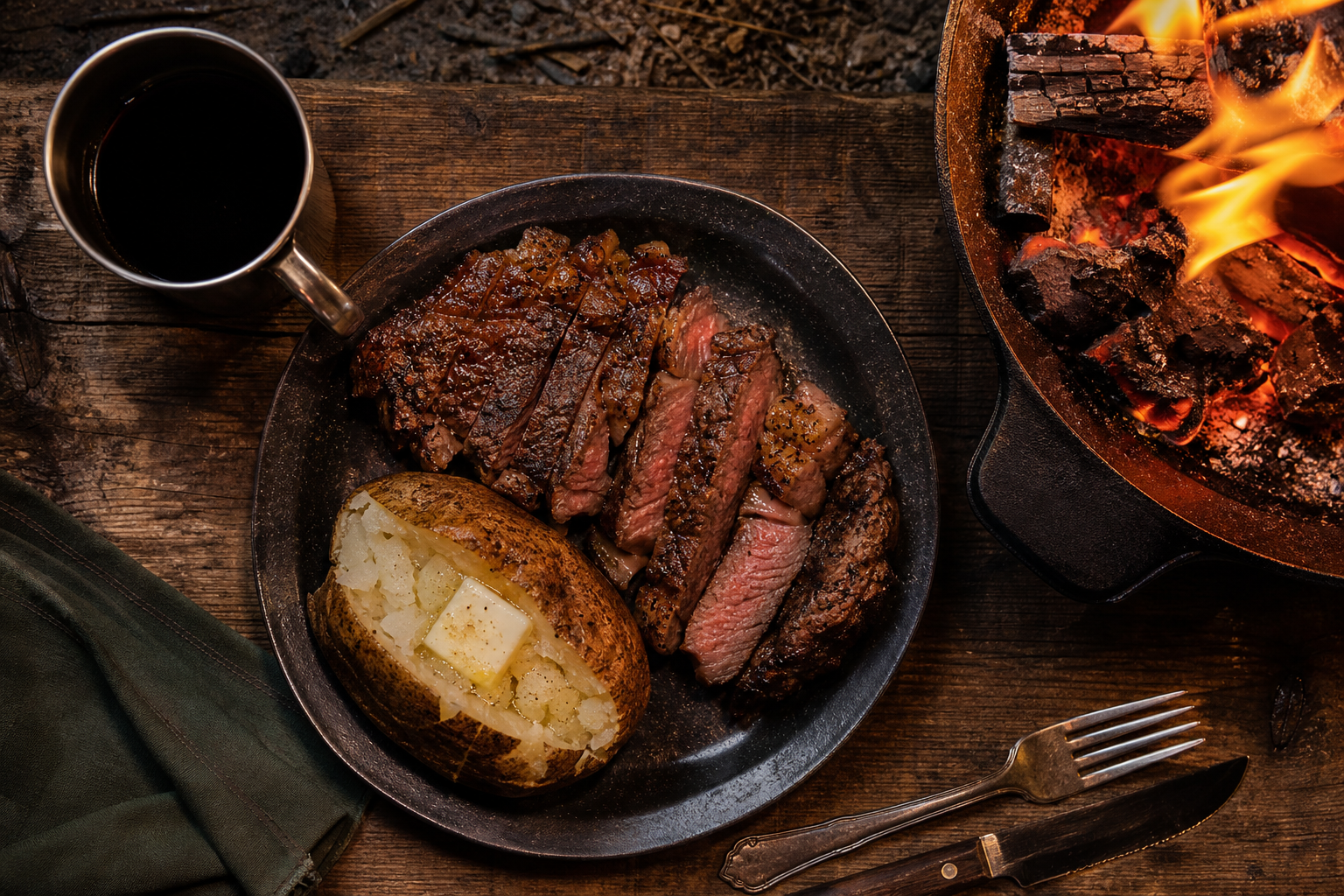
- Eat it plain. Skip the sauce, the sugar, and the seven other ingredients. A baked potato with butter tells you more than a loaded casserole.
- Wait a few days. Keep everything else the same and see how you feel.
- Decide. Keep it, shrink it, or shelve it for now.
Resist the urge to speed this up. You spent weeks or months building a stable routine, and a few extra days per food is cheap by comparison.
Which Foods to Try First
There’s no universal order, and nobody can promise you which foods will agree with you. But there’s a sensible way to think about it: start with foods that are simple, familiar, and easy to eat plain.
Many people begin with things like:
- Dairy, if you haven’t been eating it. Butter, hard cheese, and cream are the usual starting points. We cover them in our dairy guide.
- Simple starches. Plain white rice or a baked or boiled potato.
- Fruit. Berries are a common first pick because they’re easy to portion.
- Cooked vegetables. Soft, cooked, and unfancy, like zucchini or carrots.
Later, you might test the heavier hitters: raw vegetables, beans and lentils, nuts and seeds, and grains that contain gluten. These tend to be harder for some people to digest, so it makes sense to meet them after your gut has had a few easy wins.
Notice what’s missing from the first round: anything that arrives in a box, a wrapper, or a “family size” bag. Add those last, if at all. If you add a cookie and then feel strange, you won’t know whether it was the flour, the sugar, or the sheer emotional reunion.
What to Watch (and Write Down)
Your memory is a terrible lab assistant. Keep short notes, even just a phone note with the date, the food, and a line or two about how you felt.
Things worth tracking:
- Digestion. Bloating, gas, stool changes, or general discomfort.
- Energy. Steady, or a mid-afternoon slump you haven’t felt in weeks?
- Hunger and cravings. Does the new food leave you satisfied, or hunting the pantry an hour later?
- Sleep. Any change you notice, good or bad.
- Appetite for meat. If you stop wanting your usual meals, that’s useful to know.
- Weight on the scale. Expect small swings. Adding carbs back often shifts water weight, so don’t read a quick jump as fat gain or a quick drop as a miracle.
Keep your conclusions modest. A note that says “felt bloated after beans, twice” is a pattern worth acting on. A note that says “had one bad day after lunch” could be nearly anything. Repeat a test before you blame a food.
Keep Meat as Your Anchor
Here’s the mistake that trips people up most. They add foods and quietly stop eating enough protein and fat. Suddenly meals are mostly pasta and optimism.
You don’t have to stay strict to keep meat at the center. Build each plate around your protein first, then add the new food as a side. That keeps you full and makes it easier to see what the new food is doing, since the rest of your routine stays steady.
It also helps to know your numbers before you start changing them. The free Carnivore Macro Calculator gives you a baseline for protein and fat, so you can tell whether a new side dish is adding to your meals or replacing them. Check back in once you’ve settled into a new pattern, because your needs and portions may shift.
Be Ready for a Few Bumps
Some people sail through. Others find that a food they loved is now a bad idea, and that’s fine. Tastes and tolerance can change, and a food you tolerated years ago may not suit you now.
If something doesn’t sit well, drop it for a couple of weeks and try again in a smaller portion. If it still goes badly, you’ve got your answer. If you have significant or lingering symptoms, that’s a question for a healthcare professional rather than a food diary.
And if you try everything and decide you feel best mostly sticking with meat, eggs, and a few easy extras, that’s a perfectly good outcome too. The point of reintroducing foods isn’t to prove you can eat everything. It’s to find the way of eating you can actually keep up, without regrets and without a surprise reunion with a bagel.