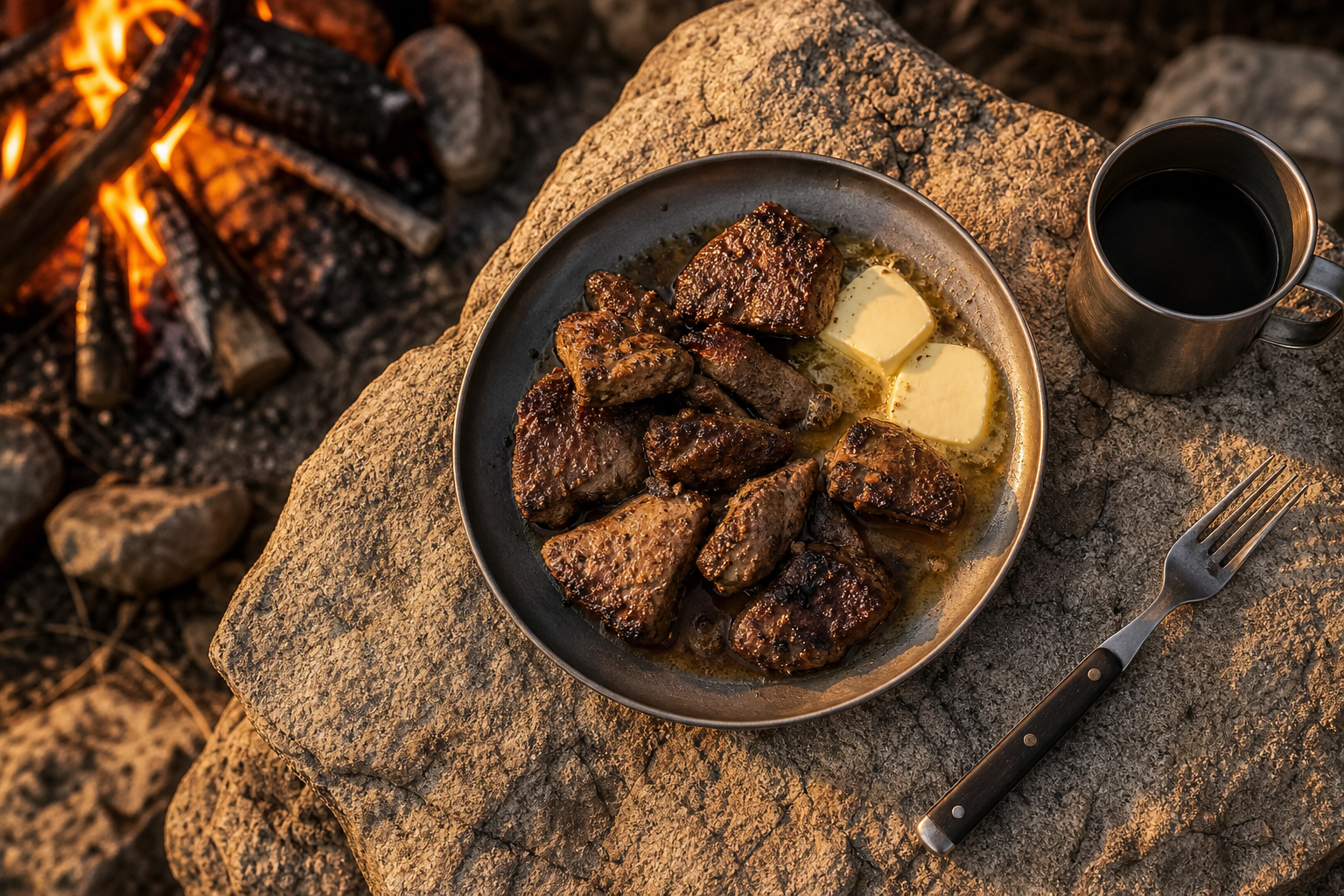
Every carnivore forum eventually produces the same advice: “Just eat some liver.” It’s usually delivered with the cheerful confidence of someone who has never been served overcooked liver in a school cafeteria.
Fair enough. Organ meats have a reputation. But they’re also a traditional part of eating whole animals, and many carnivore eaters like them for variety, for value, and for the sheer “nose to tail” principle. Here’s how to try them without making it a dare.
Which Organs to Start With
Not all organs are equally intimidating. Think of it as a difficulty ladder.
- Heart: The beginner’s pick. It’s a muscle, so it eats like a slightly chewier, leaner steak. Slice it thin, sear it hot, and most people won’t know the difference.
- Tongue: Don’t let the concept bother you. Slow-cooked until tender, it’s rich, fatty, and closer to pot roast than anything exotic.
- Chicken liver: Milder and creamier than beef liver. A good first step into liver territory.
- Beef liver: The classic. Deeply savory, a bit mineral-tasting, and a little bold if you’re new to it.
- Kidney: The final boss. It has a strong flavor that many people find overwhelming at first. Save it for when you’re feeling brave, or when you’ve got a good recipe.
Start at the top of that list and work down as your taste buds negotiate.
How to Make Liver Taste Less Like a Penny
Most bad liver experiences come down to one thing: overcooking. Liver goes from tender to gray cardboard in about a minute, so treat it gently.
Cook it fast and hot. Slice it thin, pat it dry, and sear it in butter or beef tallow for a couple of minutes per side. Aim for a touch of pink in the middle. Stop before it turns crumbly.
Tame the flavor. Some people soak liver in milk or salted water for 30 minutes beforehand to mellow it. If you avoid dairy, salted water does a decent job. Salt generously when it hits the pan, too.
Pair it with something fatty. Liver and bacon is a classic for a reason. The smoky, salty fat balances the minerally edge. Cooking in plenty of butter helps as well.
Hide it in plain sight. This is the stealth method. Freeze a piece of liver, grate it finely, and mix it into ground beef for burgers, meatballs, or meatloaf. You get the benefit of the liver with a flavor that mostly disappears into the beef. Blended into a pâté with butter and a little salt, it can even be genuinely delicious.
How Much and How Often
Here, the sensible answer is “less than you’d think, but regularly.”
Organ meats are dense. Liver in particular is extremely rich in vitamin A, and more isn’t automatically better. A common approach is to keep portions modest, such as a small serving of liver once or twice a week, and to fill the rest of the week with heart, regular muscle meat, and whatever else you enjoy. Start small if your digestion is sensitive. Richness can be a lot for a system that isn’t used to it.
If you’re pregnant, managing a health condition, or taking medication, check with your doctor or dietitian before making organ meats a regular habit. That’s not boilerplate. Liver is potent stuff, and your individual situation matters.
Fitting Organs Into Your Macros
Organ meats don’t look like ribeye on a nutrition label. Heart and liver tend to be leaner than a fatty cut, so a plate of liver and nothing else can leave you short on fat and wondering why you’re hungry an hour later. The fix is easy: cook in butter or tallow, serve alongside eggs or bacon, or mix grated liver into a fattier ground beef.
If you want to see how a serving fits your daily targets, plug your numbers into the free Carnivore Macro Calculator and adjust your fat from there. Treat organ days like any other meal: figure out the protein, then make up the fat so you’re satisfied rather than just technically fed.
Buying, Storing, and Backup Plans
Organ meats are often cheap, which is one of their charms. Check these sources:
- Your local butcher: Ask. Many keep liver, heart, and tongue in the back and are delighted that someone wants them.
- Farms and co-ops: Often the best quality, especially for grass-fed animals.
- Grocery stores: Chicken livers and beef liver are usually in the meat case, sometimes frozen.
Freshness matters more here than with steak. Use fresh organs within a day or two, or portion and freeze them right away. Small, flat portions thaw fast and are perfect for grating or quick searing.
If you try and genuinely cannot get past the taste, there are freeze-dried organ capsules on the market. They’re a fallback, not a requirement. Plenty of carnivore eaters do fine with muscle meat, fat, and eggs, and nobody gets a medal for suffering through kidney.
The best organ-meat strategy is the one you’ll actually stick to. Start with heart, sneak in some grated liver, cook it fast, and keep the butter nearby. Your taste buds will adjust faster than you expect.