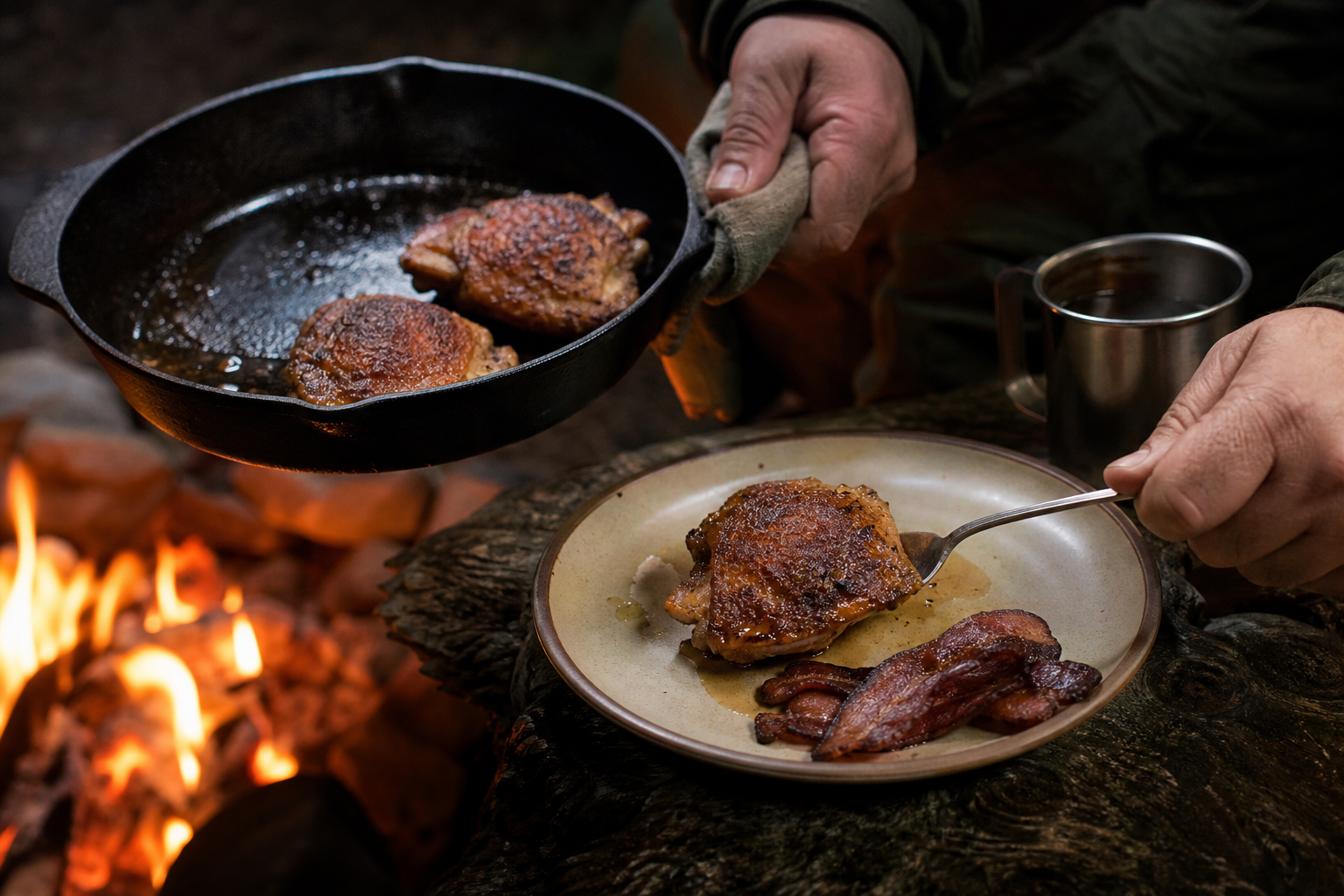
Chicken is the minivan of the carnivore world. Nobody dreams about it, everyone owns some, and it gets the job done if you stop treating it like a bodybuilder’s side dish. Chicken is absolutely carnivore. The trouble is that most people buy it the way the low-fat era taught them to: skinless, boneless, and about as exciting as a damp towel.
Here’s how to make chicken work on a meat-based diet, and which parts deserve a spot in your cart.
Is Chicken Carnivore? Yes, With a Catch
Chicken is an animal food, so it’s on the menu. No debate there. The catch is that chicken is generally a leaner meat than beef, and what you do with that leanness matters a lot.
Most carnivore eaters rely on fat for a big share of their energy and for plain old satisfaction. If you swap a fatty ribeye for a plain chicken breast, you’ve swapped a meal that keeps you full for hours for one that leaves you opening the fridge forty minutes later, glaring at it like it owes you money.
So the question isn’t “can I eat chicken?” It’s “which chicken, and what am I pairing it with?”
The Best Parts: Thighs, Wings, and Anything With Skin
If you remember one rule, make it this: buy the parts that still have their fat and skin.
- Thighs (skin-on, bone-in): The champion. They have more fat than breasts, they’re forgiving if you overcook them by a few minutes, and they’re usually cheaper. Rendered skin is the whole point.
- Drumsticks: Cheap, easy, and very good at making a family dinner disappear. Dark meat, with skin and connective tissue that cooks up rich.
- Wings: Mostly skin and fat clinging to bone, which is exactly why they’re good. Salt them, roast them hot, and don’t apologize.
- Whole chicken: Often the best value. You get breast, thighs, wings, skin, and a carcass you can simmer into broth (see our bone broth guide for how to do that, or just use the one on the site).
- Chicken liver and hearts: Inexpensive, and worth a try if you’re working organ meats into your week. A pan, some fat, and salt are all they need.
Breasts aren’t banned. They’re just the part you have to work harder to love. If you’re eating them, treat them as a vehicle for something fattier, which brings us to the next section.
How to Cook Chicken So It Doesn’t Taste Like Punishment
Dry chicken is a cooking problem, not a diet problem. A few habits fix most of it:
Start with dry skin. Pat the pieces thoroughly with paper towels. Wet skin steams; dry skin crisps. If you have time, leave salted chicken uncovered in the fridge for a few hours first. The surface dries out and the skin does the crackly thing you want.
Salt generously. Salt is the only seasoning many carnivores use, so it has to carry the show. Season more than feels polite.
Use real heat. Roasting at a high temperature or searing skin-side down in a cast iron skillet gets you browned, rendered skin. Start thighs skin-side down in a cold or moderately hot pan and let the fat melt out slowly, then flip and finish. Check our cooking fats post if you want to choose between tallow, butter, and the rest.
Don’t skip the drippings. The fat in the pan is liquid gold. Spoon it over the meat, or over the breast you cooked because you felt virtuous.
Use a thermometer. Chicken needs to be cooked through, and a thermometer takes the guesswork out so you aren’t hacking into a thigh at the table like a crime scene investigator. Dark meat is more forgiving at higher temperatures than breast is, which is another point in its favor.
Make Lean Chicken Work: Add Fat on Purpose
If you like breast meat or it’s what’s in the fridge, you can still make a solid carnivore meal. You just have to bring the fat yourself:
- Cook it in butter, tallow, or bacon grease.
- Eat it alongside eggs fried in the same pan.
- Serve it with a fattier meat, like a few strips of bacon or a burger patty, on the same plate.
- Shred cooked chicken into broth with some rendered fat.
- Try it with a pat of butter melting on top, if dairy works for you.
The goal is a plate that actually satisfies you. Plenty of people find that a chicken-only week leaves them hungrier than a beef-heavy one, and that’s usually a clue to add fat or rotate in fattier cuts. It isn’t a sign anything’s wrong with you.
If you want to see how a chicken-heavy day stacks up against your goals, the free Carnivore Macro Calculator will show you your protein and fat targets. Then you can check whether your thighs and skin are pulling their weight or whether your breast-and-water lunch needs a rethink.
Buying Tips and a Few Common Mistakes
Buy bone-in and skin-on when you can. It’s usually cheaper per pound and more flavorful than boneless, skinless cuts. You’re paying a premium for someone else to remove the best parts.
Check the label. Some pre-seasoned, marinated, or breaded chicken includes sugars, starches, or flavor blends. Plain is the safe choice. If you’re trying to keep things strict, read the ingredients.
Watch out for “enhanced” chicken. Some packaged poultry is injected with a salt solution or broth. It’s not a disaster, but it’s good to know what you’re buying.
Don’t live on chicken alone. Variety is easier on your budget, your taste buds, and your sanity. Beef, lamb, pork, eggs, and organ meats all bring different things to the table. Chicken works best as one player on the team, not the entire roster.
Don’t fear the dark meat. For years, dark meat was treated as the guilty pleasure and white meat as the healthy choice. On carnivore, that logic flips. Dark meat with skin is the one that keeps you full and keeps you cooking.
The Bottom Line
Chicken is a perfectly good carnivore food, and it can be a cheap, convenient staple. The trick is to stop buying it like a dieter. Choose thighs, drumsticks, wings, or a whole bird, keep the skin on, get it crispy, and cook it in its own fat. Do that, and chicken goes from the dull backup option to a dinner you’ll look forward to, no sad plain breast required.