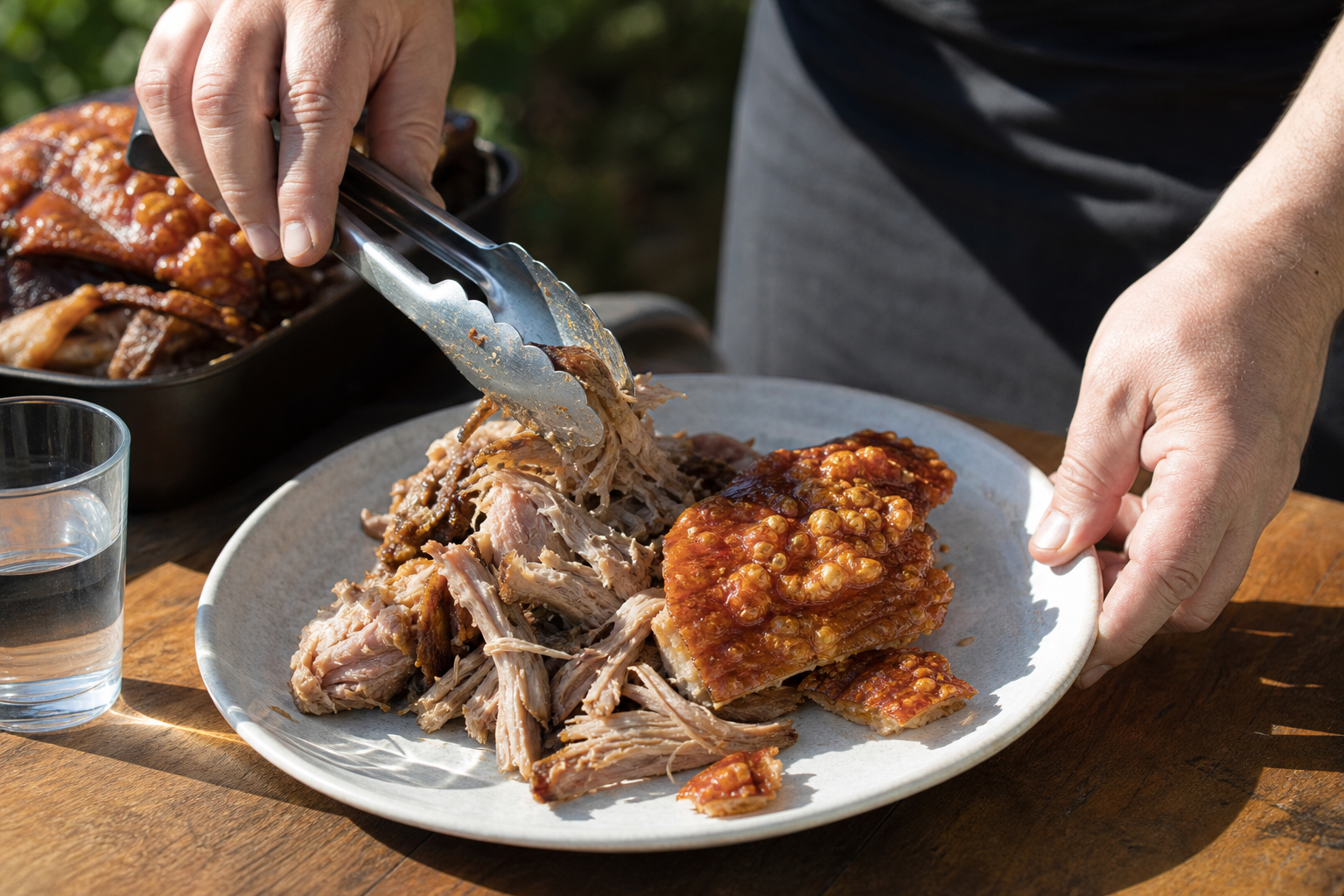
Beef gets all the glory on the carnivore diet. It has the steakhouse reputation, the ribeye fan clubs, and the people who say “tallow” the way others say “grandchildren.” Meanwhile pork sits in the fridge aisle like the quiet cousin who actually brings the best dish to the family dinner.
Pork is affordable, widely available, and easy to cook. It’s also a good way to break up the beef monotony, which matters, because the diet is much easier to stick with when Tuesday doesn’t taste exactly like Monday. Here’s how to shop for it, what to check on the label, and how to cook it well.
The Best Pork Cuts for Carnivore
Pork has a wide range, from richly marbled to nearly as lean as chicken breast. These are the cuts worth knowing:
- Pork shoulder (butt or Boston butt): The carnivore workhorse. It has plenty of fat and connective tissue, it’s cheap, and it turns tender when cooked low and slow. One big roast can cover several meals.
- Pork belly: Basically the ribeye of the pig. It’s rich and fatty, so a small portion goes a long way. Roast it, pan-sear slices, or cook it until the skin crackles.
- Spare ribs and baby back ribs: Fatty, satisfying, and fun to eat. Just skip the sauce (more on that below).
- Pork chops, bone-in: Quick to cook and easy to find. Bone-in, thicker cuts with a fat cap stay juicier than the thin, lean ones.
- Ground pork: A handy base for patties or a skillet scramble. Check that it’s plain pork with nothing added.
- Pork tenderloin: Very lean and mild. It works fine, but it needs help from added fat, which we’ll get to.
If you’re shopping on a budget, shoulder and ribs are usually among the most economical. Our guide to carnivore on a budget style shopping applies here too: buy bigger roasts, cook once, eat several times.
Lean Versus Fatty: Balance the Plate
Pork tenderloin and a thin center-cut chop are lean. Eat only those and you may end up hungry an hour later, wondering why a pile of meat didn’t satisfy you. Protein without enough fat is a common reason people feel unsatisfied on this way of eating.
The fix is simple:
- Cook lean cuts in fat. Pan-fry chops in butter, tallow, or lard, and spoon the pan juices over the top.
- Pair lean with fatty. Serve tenderloin alongside a few slices of pork belly, or follow a lean dinner with a fattier lunch the next day.
- Leave the fat cap on. Trim it after cooking if you want to, but cooking with it keeps the meat moist and tasty.
If you like to know your numbers, the free Carnivore Macro Calculator can help you work out how much fat and protein to aim for, so you can decide how fatty your pork picks need to be.
Watch Out for Sneaky Ingredients
This is where pork gets tricky. Plain pork is simple. Processed and pre-seasoned pork often isn’t. Check the label for:
- Sugar in cures and rubs. Many hams, sausages, and pre-packaged roasts are cured or seasoned with sugar, honey, or maple.
- Glazes and sauces. Pre-marinated pork chops and “BBQ ribs” in a bag are usually coated in sweet sauce. If the first ingredient isn’t pork, put it back.
- Fillers in sausage. Breadcrumbs, rusk, and starches show up in many sausages. A short ingredient list (pork, salt, maybe pepper) is what you’re after.
- Flavored pork rinds. Plain rinds are just skin and salt, but many bags add seasoning blends with sugar, starch, or other additives.
- Broths and “solutions.” Some fresh pork is injected with a water-and-additives solution. The label will say so, usually in small print.
Whether bacon, ham, and other cured products fit your version of carnivore is a personal call, and we cover it in our post on bacon and processed meat. For everyday meals, fresh, unprocessed cuts are the safe default.
How to Cook Pork Without Making It Taste Like Cardboard
Everyone has had a dry pork chop. It’s a rite of passage, and it’s avoidable.
Use a thermometer. The USDA recommends cooking whole cuts of pork to an internal temperature of 145°F (63°C) and letting them rest for three minutes. Ground pork should reach 160°F (71°C). A cheap instant-read thermometer takes the guesswork out, and it stops you from overcooking out of nerves.
Match the method to the cut:
- Shoulder and ribs: Low and slow in the oven, a slow cooker, or a smoker. The long cook breaks down the connective tissue and leaves you with pull-apart meat.
- Belly: Roast at a lower temperature first, then finish hot for crispy skin. Or slice it and pan-fry.
- Chops: Sear hard in a hot skillet with fat, then finish gently. Rest them before cutting.
- Tenderloin: Cook it quickly and don’t wander off. It dries out fast.
Season simply. Salt does most of the work. If you use pepper or other spices, that’s your call (our spices post covers what people allow), but good pork with salt and a decent sear needs very little else.
Save the drippings. Rendered pork fat is lard. Strain it into a jar and use it for cooking later. It’s a free bonus from the roast.
Fitting Pork Into Your Weekly Rotation
Pork doesn’t have to replace beef. It’s a good supporting player. A simple approach:
- Roast a shoulder on the weekend and eat it across a few days.
- Keep a pack of ground pork in the freezer for fast, low-effort dinners.
- Use ribs or belly for the “treat yourself” meal, since they’re fatty and satisfying.
- Rotate in beef, eggs, or seafood so you aren’t eating the same thing every day.
Variety isn’t just about taste. Different animals and cuts give you different mixes of fat and nutrients, and a more varied plate is a more sustainable one. If you have questions about how a diet this restrictive suits your health, talk to your doctor or a registered dietitian, particularly if you have a medical condition or take medication.
Pork won’t replace your love of steak, but it does keep you out of a rut. Buy plain cuts, read the labels, cook to temperature, and don’t be afraid of the fat. Your shoulder roast will take care of the rest.